How to Reduce Glare in Bright Living Rooms and Home Offices
Understanding the Problem of Glare
Glare in a living room or home office can make a screen hard to read, wash out colours on a television, and create an uncomfortable space to relax or work. The issue often comes from direct sunlight hitting a reflective surface or from a high-contrast area where a bright window sits next to a darker wall. Controlling glare is not about blocking all light; it is about managing the way light enters the room so that it remains useful and comfortable.
Before choosing any treatment, look at the orientation of the windows. South-facing rooms get the most intense direct sunlight throughout the day, while west-facing windows catch strong afternoon sun that can feel especially harsh. East-facing windows let in bright morning light, which may be welcome in a kitchen but less so in a bedroom window used for sleeping. Understanding the direction of the sun helps decide what level of light filtering is needed and at what time of day the glare is worst.
Choosing the Right Window Treatment
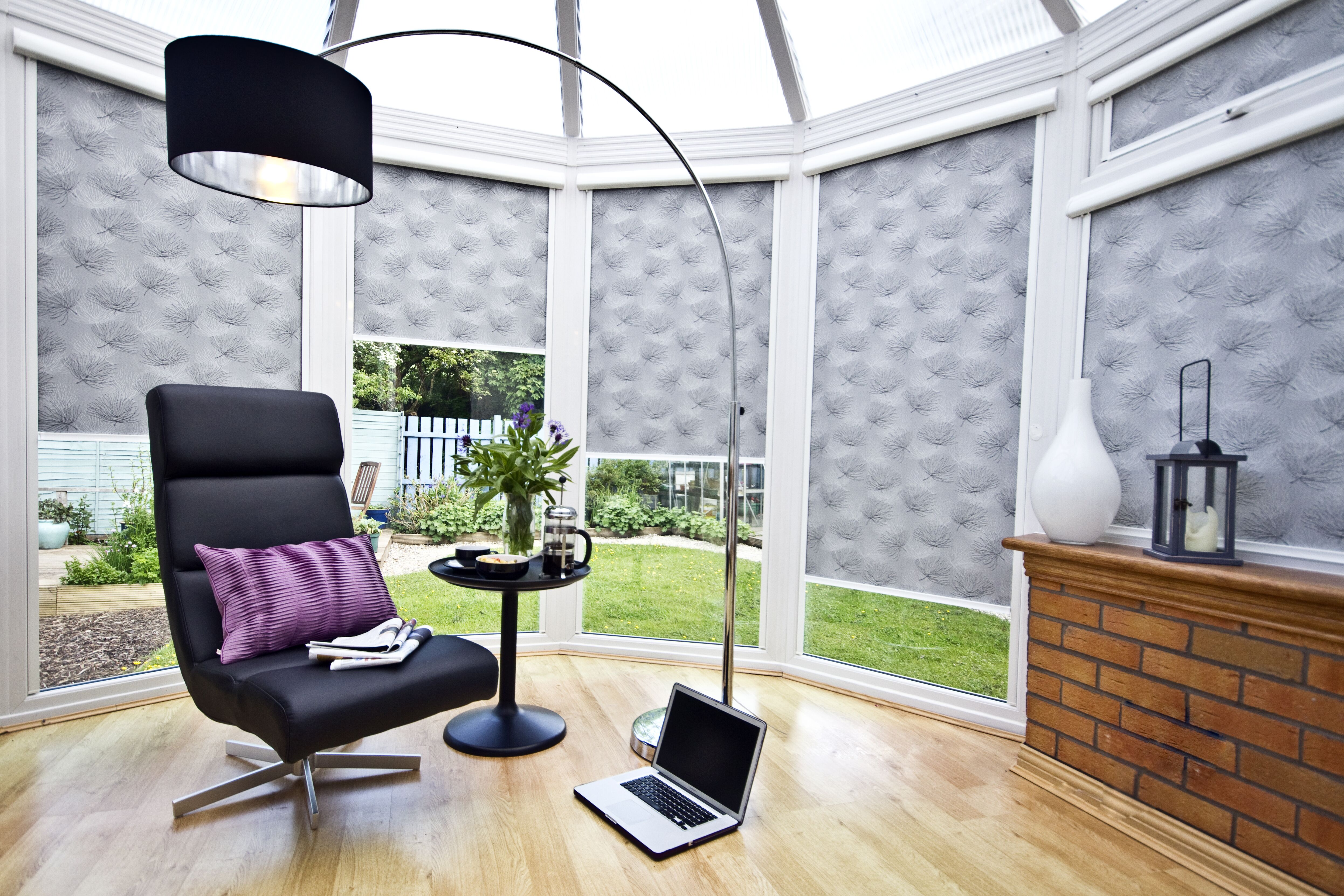
The most direct way to control glare is to install a window covering that can adjust the amount of light entering the room. Light filtering blinds are a popular choice because they soften sunlight before it reaches the room, reducing harsh shadows and hot spots while still allowing a pleasant level of natural light. Unlike blackout lining, which blocks almost all light, light filtering materials diffuse sunlight so the room stays bright without the discomfort of direct beams.
For a home office where screen work happens, a blind that can be tilted or adjusted throughout the day is useful. Venetian blinds or vertical blinds allow the slats to be angled so that light is directed upwards or away from a monitor. Roller blinds made from a light filtering fabric can be lowered partway to block the sun from a specific area while leaving the rest of the window uncovered. The key is to have a system that responds to the changing position of the sun rather than a fixed solution that works only at one time of day.
Something to watch out for is the quality of the light filtering material. Cheaper fabrics may let through too much direct light or create a harsh glare themselves. A good light filtering fabric will scatter the light evenly, so the room feels bright but not overwhelming. When selecting a blind, hold the fabric up to a window and check how it handles the sun at different times of the day. If the fabric appears to hot-spot or cast bright streaks, it will not solve the glare problem.
Using Layered Window Treatments
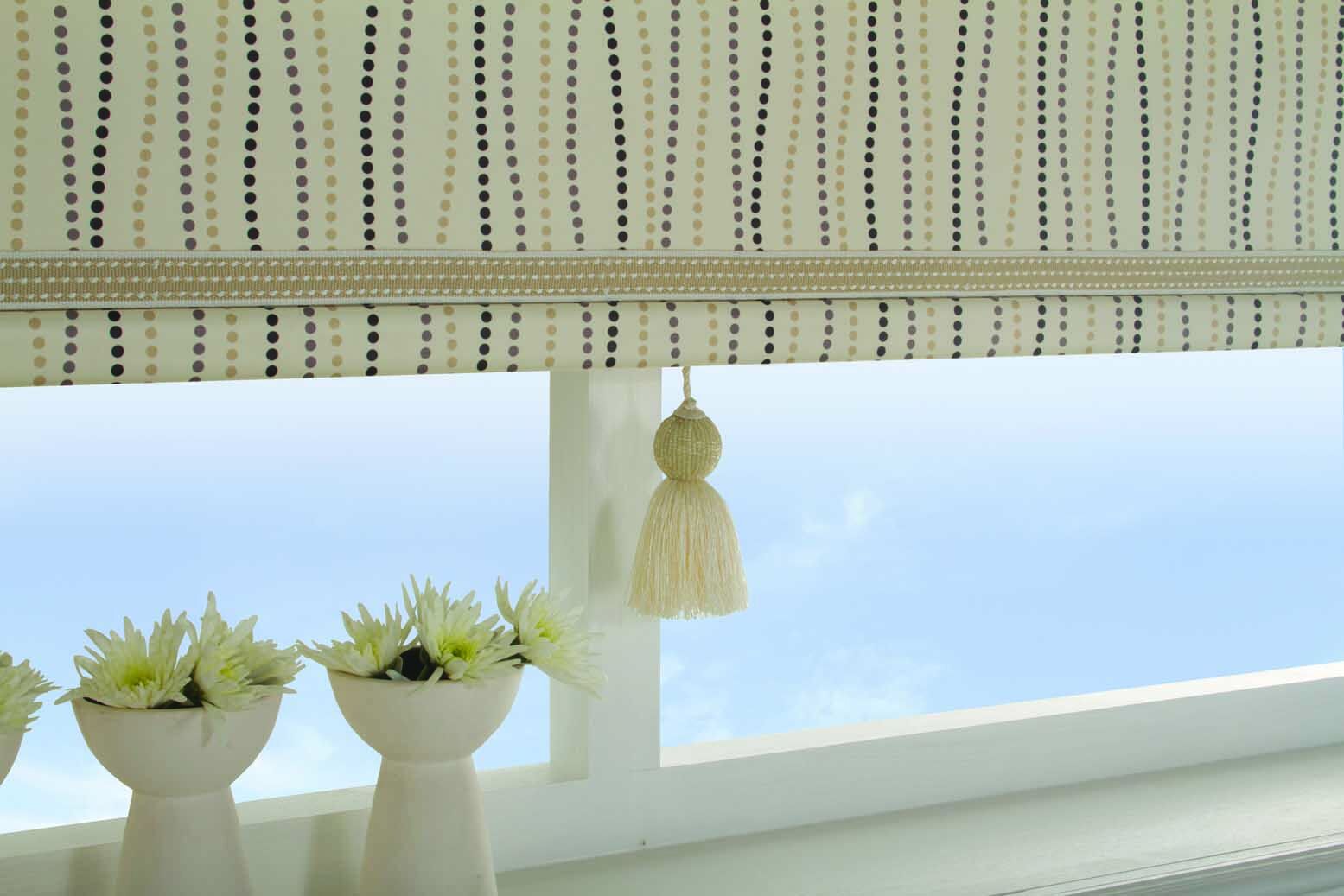
Sometimes a single blind is not enough, especially in rooms with large windows or multiple orientations. Layering a light filtering blind with a curtain or a sheer voile can provide more flexibility. The blind handles the main light control, while the curtain or voile adds an extra layer of diffusion for times when the sun is at its strongest. This approach also works well in living rooms where the look of the window matters; the blind can be a neat, fitted option and the curtain can add softness and colour.
For a home office, a combination of a blackout lining blind for complete darkness and a light filtering blind on a separate track can be ideal. During the day, the light filtering blind is used to reduce glare while still letting in natural light. At night or for presentations, the blackout lining can be drawn to create a dark room. The main thing to consider with layering is the amount of space the window treatments take up when stacked. A bulky combination might block too much of the window when open, reducing the view and the light you want to keep.
Positioning Furniture and Screens
Even with the best window treatment, the position of furniture plays a big role in how glare affects a room. A desk placed directly in front of a window will cause the monitor to be backlit, creating eye strain. Similarly, a sofa facing a window can mean that anyone sitting there is looking straight into the sun. Moving the desk so that the window is to the side of the screen, rather than behind or in front of it, reduces the contrast that causes glare. In a living room, angling the television away from the brightest window can make a noticeable difference.
For rooms where the furniture cannot be moved, consider adding a secondary layer of light control near the furniture itself. A small screen or a tall plant placed beside a desk can block the most direct rays while still letting light fill the rest of the room. This is a simple and cheap adjustment that can complement the main window treatment.
Adding Reflective or Diffusing Surfaces
Glare is not just about the light coming in; it is also about how surfaces in the room reflect that light. A glossy floor, a white wall, or a shiny tabletop can bounce sunlight into eyes, creating a secondary glare that is just as annoying as the direct kind. Using matte finishes on furniture and walls, or adding a rug to a glossy floor, can reduce these reflections. If the room has a lot of hard surfaces, a light filtering blind that cuts down the overall light level will also reduce the bounce.
Another option is to use a window film that applies directly to the glass. These films can provide a light filtering effect without needing a blind at all, though they are less adjustable. They work well for windows that are hard to cover, such as skylights or very tall windows. The downside is that they are permanent or difficult to remove, so they suit rooms where the glare problem is consistent all year.

Smart Control and Automation
For those who want a more hands-off approach, motorised blinds can be programmed to adjust at different times of the day. This is especially useful for a home office where the sun moves across the window during working hours. A timer or a light sensor can lower the blind when the sun hits a certain angle and raise it again when the light softens. While this adds some cost and complexity, it removes the need to stop work to adjust the blind.
When considering automation, make sure the blind itself is a good light filtering option. Motorising a blind that does not control glare well is a waste of effort. The mechanism should also be quiet enough not to be distracting in a quiet office or living room. Some systems can be integrated with smart home assistants, but the basic function of light control remains the priority.
Checking the Fit and Installation
A blind that is too small for the window will let light pour in around the edges, defeating its purpose. For glare control, the blind should fit snugly within the window recess or extend beyond it if mounted on the wall or ceiling. Inside mount blinds that are recessed look neat but need accurate measurements to avoid gaps. Outside mount blinds can cover the entire window frame and block light from the edges, which is useful for rooms where every bit of light control matters.
For those living in Derbyshire or nearby areas, a professional installation service such as peakblinds.co.uk can ensure that the blinds are fitted properly with no gaps and that the chosen material works with the specific window orientation. The right fit and the right fabric together make the biggest difference in glare reduction.
Balancing Light and Privacy
A bright living room or home office often faces a privacy concern, especially on the ground floor or near a street. Light filtering blinds can provide privacy during the day because the outside view is partially obscured by the fabric, while still allowing light in. At night, however, the situation reverses; a lit room with light filtering blinds can be seen from outside, so a secondary blind or curtain may be needed for privacy after dark. This is something to plan for when choosing a solution, as a single treatment might not cover both day and night needs.
For a bedroom window, the balance between light and privacy is even more important. A light filtering blind can keep the room bright during the day while preventing people outside from seeing in. For nighttime, a blackout lining or a separate blackout blind can be added to ensure complete darkness for sleep. The same principle applies to a home office that is used for video calls; you want enough light on your face without letting the background become too bright or glare-prone.
Maintaining the Solution
Once the right window treatment is in place, keeping it clean and functional is important. Dust and dirt on the fabric can reduce its ability to diffuse light evenly, and a dirty blind can itself become a source of glare if the sun hits it. Regular dusting or gentle vacuuming with a brush attachment keeps the fabric working as intended. For roller blinds, a damp cloth wipe-down every few months is usually enough. For Venetian or vertical blinds, checking that the cords or wands move smoothly and that the slats are not bent keeps the adjustment easy and effective.
Over time, the fabric may fade or the mechanism may wear, especially in a room that gets a lot of direct sunlight. Checking the blind every year or so for signs of wear and replacing it when needed ensures that the glare control remains reliable. A well-chosen light filtering blind can last for many years, but only if it is looked after.
For anyone looking to improve the comfort of a bright living room or home office, the combination of the right window treatment, thoughtful furniture placement, and a bit of maintenance makes a significant difference. A specialist supplier like peakblinds.co.uk can offer advice on the best materials and fit for your specific windows, helping you enjoy a space that is bright without being harsh.